
Fix It, Keep It, Share It: Stories From Across the UK
A Neighborhood Movement With Practical Magic
The Art and Craft of Repair
Electrics and Electronics
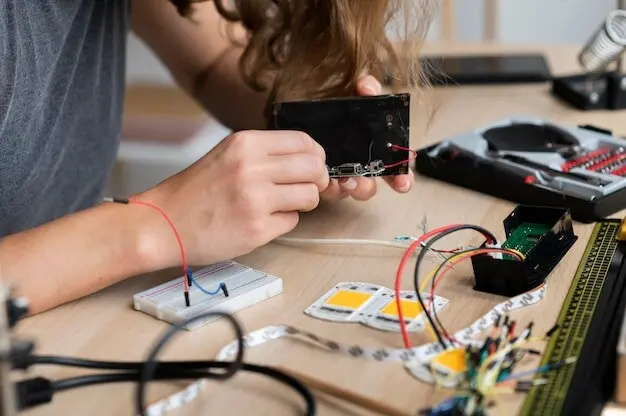
From kettles to lamps and radios, common faults reveal themselves through visual checks, continuity tests, and careful reassembly. Volunteers emphasise safe isolation, cable strain relief, and post‑repair checks. Portable appliance testing, when available, helps confirm results, while respectful teaching shows guests how to recognise a dodgy plug or tired switch.
Textiles and Tailoring
A missing button or torn seam becomes a chance to learn backstitch, darning, or visible mending techniques. Volunteers demystify tension, needles, and threads, turning repairs into tiny works of practical art. Mended coats reappear each winter, and repaired school uniforms carry forward stories of care, thrift, and quiet creativity.
Bikes, Tools, and Everyday Mechanics
Punctures meet patches, brakes regain bite, and saddles find the right height. Volunteers explain torque, lubrication, and alignment in friendly terms while encouraging riders to practice adjustments hands‑on. A short roadside checklist, shared on a takeaway card, transforms future journeys with smoother gears and renewed confidence pedalling through all seasons.
What Walks Through the Door
Small Appliances With Big Stories
Kettles, toasters, hairdryers, and vacuum cleaners frequently appear, their failures often simple: frayed cords, clogged filters, or tired switches. Visitors learn to clean and inspect before replacing, and discover spare parts sources. An old toaster’s satisfying click, restored at last, can feel like a tiny parade marching across the counter.
Phones, Laptops, and Precious Data
Slow devices and worn batteries meet patient guidance on backups, diagnostics, and safe storage. Volunteers explain software housekeeping, charger safety, and repairability considerations when buying next time. Shared wisdom on ethical parts suppliers and community resources turns anxiety into a roadmap for steadier, less wasteful digital lives at home.
Heirlooms and Sentimental Keepsakes
Vintage radios, sewing machines, and lampshades carry memories that no replacement can match. Gentle cleaning, careful rewiring, and sourced parts bring them back to life. Often, the conversation repairs something else too: a family story gains new voice, and the object reclaims pride of place in daily rituals.
Planning, Partners, and Permissions
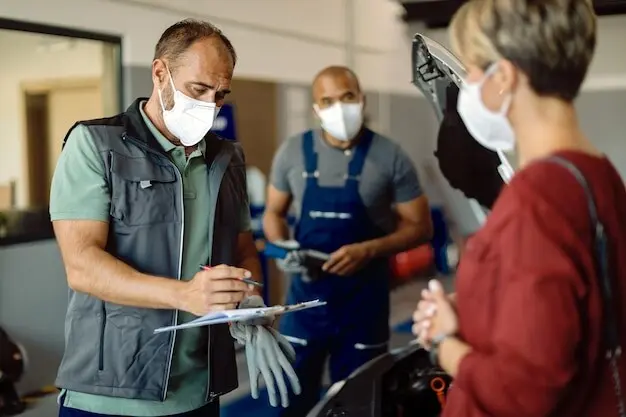
Pick dates that avoid major events, confirm venue risk assessments, and align on safeguarding expectations. Local repair groups or sustainability hubs offer templates for house rules and checklists. Share responsibilities across a small team, and celebrate incremental progress, knowing momentum builds when hosts and fixers feel supported, thanked, and heard.
Tools, Spares, and Setup
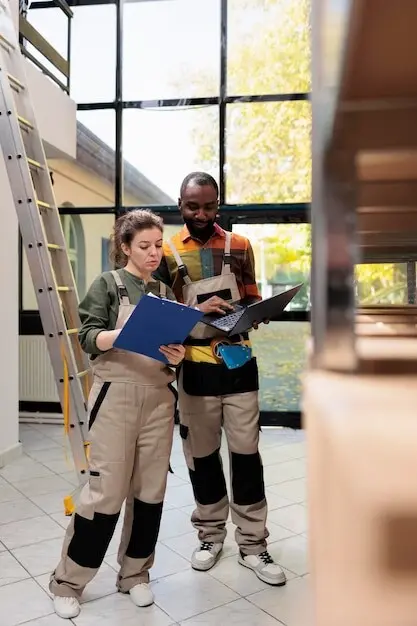
Start with basics: screwdrivers, pliers, multimeter, sewing kits, bike tools, magnification, lighting, and extension leads with surge protection. Label boxes, plan waste streams, and keep a small stock of fuses, plugs, and universal feet. A tidy layout with clear stations reduces stress, encourages learning, and speeds safe, satisfying outcomes.
Spread the Word and Measure Impact
Use posters at community boards, schools, and cafes; combine social media posts with simple, friendly language. Track items welcomed, fixes achieved, and skills shared, then share stories publicly. Invite feedback, publish photos with permission, and encourage newsletter sign‑ups so newcomers feel personally welcomed before they even arrive.
Impact You Can Feel and Measure


The Road Ahead
All Rights Reserved.