
Fixing Together Across the UK

Join a vibrant movement where neighbours, volunteers, and tinkerers revive everyday gadgets while learning skills that last a lifetime. Today we explore Right to Repair in the UK: Implications for Community Fixing Initiatives, turning policy changes into practical momentum for repair cafes, libraries of things, and makers who keep valuable products in use longer, save money, and build friendship through shared problem‑solving.

What the Current UK Rules Actually Change
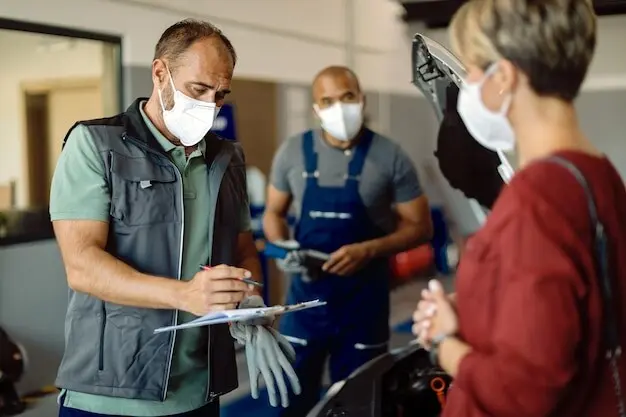
The UK’s 2021 updates, inspired by ecodesign principles, require manufacturers of certain household appliances to provide spare parts and repair information for extended periods, especially to professional repairers. This shift influences community repair events by improving parts availability, shaping safety practices, and setting realistic expectations around which items can be confidently restored at pop‑up fixing sessions.

Covered Product Categories

Washing machines, washer‑dryers, dishwashers, refrigeration units, and certain televisions fall under provisions that encourage longer lifespans through spare parts and repair documentation. While smartphones and laptops were not initially included, the conversation is evolving, and community groups can still use the momentum to improve practices, emphasize diagnostics, and advocate respectfully for broader coverage in future updates.

Spare Parts Timelines and Access

Manufacturers must offer specific parts for years after sale—often up to a decade for particular components—though access can vary between consumers and professional repairers. For community workshops, forming relationships with qualified technicians or local repair businesses can open legitimate pathways to parts and manuals, reduce waiting times, and ensure replacements match safety, energy efficiency, and performance expectations.

Building a Strong Community Repair Ecosystem

Successful initiatives depend on people, partnerships, and places. A thriving repair network coordinates volunteers, parts sources, safety protocols, local businesses, and councils. By aligning efforts with Right to Repair in the UK, groups can scale from occasional events to resilient community fixtures, supporting circular economy goals while offering welcoming, inclusive experiences that turn curiosity into confident, hands‑on capability.

Recruiting and Mentoring Volunteers

Blend seasoned electricians, electronics enthusiasts, and sewing experts with newcomers eager to learn. A mentoring ladder—observer, helper, fixer—builds confidence and continuity. Celebrate small wins, offer badges or certificates, and rotate roles so burnout stays low. This people‑first approach keeps knowledge flowing, respects safety, and ensures every visitor meets a friendly person ready to listen and guide.

Sourcing Parts Responsibly

Combine official spare channels, reputable third‑party suppliers, and ethical salvage from donor devices tested for safety. Keep meticulous records for compatibility, batch numbers, and installed components. Where regulations reserve certain parts for professionals, collaborate with certified partners. Transparent sourcing builds trust, reduces waste, and turns each successful fix into a documented learning resource that improves future repair decisions.

Safer Spaces and Welcoming Culture

Establish a clear intake process, realistic time limits, and safety briefings that respect everyone’s skill levels. Provide basic PPE, PAT testing where appropriate, and a tidy bench layout with labelled tools. Combine tea, conversation, and kind storytelling so guests feel seen, not judged. When people feel safe and respected, they return with friends, donations, and newly sharpened curiosity.

Legal, Warranty, and Liability Considerations Made Practical
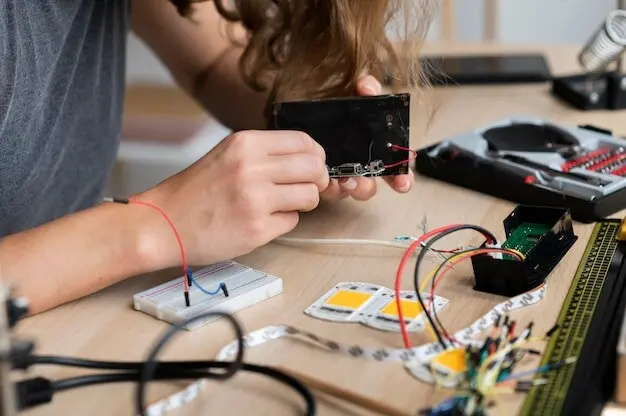
Community repair thrives when responsibilities are clear. Align intake forms, consent language, volunteer guidance, and signage with UK consumer law realities, warranty boundaries, and basic insurance needs. By framing Right to Repair in everyday terms, organisers help visitors make informed choices, protect volunteers, and keep the focus on safety, learning, and transparent decisions that respect product owners’ rights.

Finding and Organizing Service Information

Create a shared repository with vetted guides, wiring diagrams, torque specs, and compatibility notes. Tag resources by brand, model, symptom, and difficulty. Add photos from prior sessions and quick checklists for common faults. Use QR codes at benches to reduce bottlenecks, and maintain a change log so future volunteers understand updates, cautions, and any model‑specific surprises encountered.

Essential Tools for Sustainable Fixing

Prioritise a safe, versatile toolkit: insulated screwdrivers, Torx sets, precision bits, spudgers, ESD mats, magnification, multimeters, continuity buzzers, crimpers, and a label printer. Consider a PAT tester for appropriate items, soldering stations with fume extraction, and heat guns with stands. Quality tools lower risk, protect components, and help volunteers work precisely, kindly, and confidently under gentle time pressure.

Environmental and Social Impact You Can Measure

Repair keeps materials in circulation and cuts embodied emissions. By translating Right to Repair in the UK into local action, community projects can track waste diverted, kilograms saved, and months of extra service from fixed items. Pair metrics with human stories—gratitude, pride, and independence—to attract supporters, influence procurement, and prove that kindness and climate action belong together.

Metrics That Motivate Funders and Councils

Measure number of items assessed, repair success rates, average time per fix, parts reused, and estimated carbon avoided using transparent methodologies. Publish dashboards, share open data, and invite scrutiny. When public bodies can see credible outcomes, partnerships bloom, small grants arrive, and your volunteer calendar fills with people eager to help keep valuable things working longer.

Stories That Humanize the Numbers

Tell the tale of the grandparent whose radio, repaired with a simple capacitor change, now plays every morning tea ritual. Share the single parent’s washing machine revival that prevented a costly replacement. These moments carry dignity and relief, inviting neighbours to join, donate parts, and share their own items’ journeys from frustration to renewed, dependable usefulness.

From Repair to Circular Economy Partnerships

Link with reuse shops, remanufacturers, and local authorities to route unfixable items toward parts harvesting and ethical recycling. Offer feedback to procurement teams about durable brands and modular designs. Over time, your events become hubs where knowledge meets action, influencing upstream decisions and proving that citizen energy can strengthen a practical, joyful circular economy.

Campaigning, Policy Feedback, and What Comes Next

Community fixing generates real‑world evidence. Summaries of blocked repairs, unavailable parts, and manual barriers help sharpen constructive policy conversations. By sharing this learning, groups affirm the value of Right to Repair in the UK while inviting broader inclusion—covering more product categories, improving documentation, and embedding practical skills in schools, libraries, and public maker spaces nationwide.
Kirasanomoririnonari
Privacy Overview

This website uses cookies so that we can provide you with the best user experience possible. Cookie information is stored in your browser and performs functions such as recognising you when you return to our website and helping our team to understand which sections of the website you find most interesting and useful.