
Bring Broken Things Back to Life in Your UK Town


Why Mending Matters Now
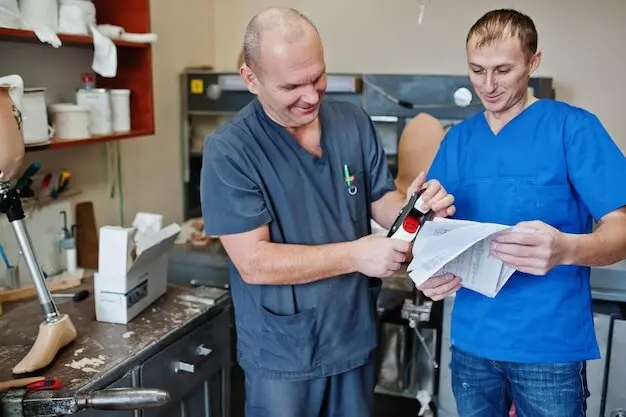
Recruit Kind, Curious Volunteers
Write Simple Role Guides
Insurance, Paperwork, And Boundaries
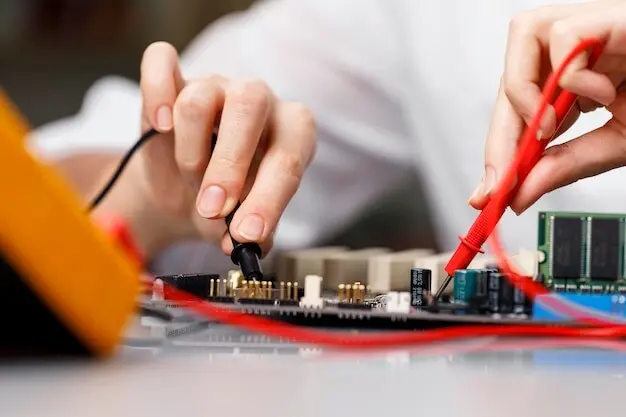
Electrical Safety And Testing
Respect, Safeguarding, And Consent
Find the Right Space and Set the Flow
Essential Toolkit For Day One
Pack screwdrivers including Torx, precision bits, pliers, snips, spudgers, a soldering iron with fume extraction, a multimeter, a portable appliance tester, sewing machines, darning mushrooms, bike tyre levers, and a sturdy track pump. Add PPE: safety glasses, heat‑resistant mats, gloves, and cable ties. Keep consumables like fuses, heat‑shrink, thread, needles, patches, lubricants, and contact adhesive. Label everything and create check‑in lists so tools return safely. A compact, reliable kit beats a chaotic mountain you cannot actually find or use.
Sourcing Parts, Donations, And Discounts
Ask hardware shops for end‑of‑line fasteners, haberdasheries for odd buttons, and bike stores for spare cables. Invite neighbours to donate broken devices for parts after data removal. Negotiate community discounts by sharing your impact numbers and tagging supporters on social posts. Set up a transparent wish list showing exact quantities and costs. Celebrate donors publicly at events and on a thank‑you board. When people see their contribution fixing real things, they give again, deepening local ownership of your ongoing effort.
Funding That Fits Your Scale
Start with a donations jar and a simple contactless link. Then explore small community grants from local councils, climate action funds, or neighbourhood trusts, and consider national micro‑grants designed for grassroots projects. Keep your budget focused on safety, venue hire, and durable tools rather than flashy extras. Share clear outcomes with funders: attendance, fixes, savings, and stories. Responsible, transparent stewardship builds trust, helping you renew support, invite business sponsorship, and remain independent enough to keep decisions rooted in community needs.
Design the Experience from Hello to Hurrah
Registration And Triage That Respect Time
Welcome guests with warmth, not paperwork walls. Use a short intake form to record contact details, item description, fault, and consent. A friendly triage volunteer tests plugs, checks zips, and asks clarifying questions before assigning stations. Offer realistic waiting times and alternatives if queues are long. Keep clipboards, pens, and spare forms ready, and number jobs clearly. When visitors know what will happen next, they relax, which helps repairers focus and boosts the chance of satisfying, timely outcomes.
A Workbench Routine Everyone Can Follow
Adopt a consistent method: visual inspection, safety check, simple tests, partial disassembly, repair attempt, reassembly, functional test, and final safety check for relevant items. Encourage pairing on tricky jobs and document steps taken. If a fix stalls, pause, photograph, and return to the owner with options. Keep small trays for screws, magnetic mats, and labelled pots to prevent lost parts. A neat, repeatable rhythm reduces errors, helps training, and turns good intentions into reliable, repeatable results across the whole room.
Track Outcomes And Share Wins
Record attempted items, fixed, partially fixed, and advised, plus materials used and estimated costs saved. Add simple waste and carbon estimates using publicly available factors to make your story tangible. Capture quotes and smiles with permission, and create a monthly impact postcard for social media, councillors, and funders. Data without heart is dry; heart without data fades quickly. Together they show momentum, justify grants, attract new partners, and keep volunteers motivated when the workbench gets crowded and the kettle whistles again.
Spread the Word and Grow the Movement
Messaging That Sparks Curiosity
Channels, Partners, And Local Media
Keep The Conversation Alive Between Events
All Rights Reserved.