
Mending Minds, Mending Things: Young Makers Lead the Repair Revival
Why Repair Belongs in Every Classroom
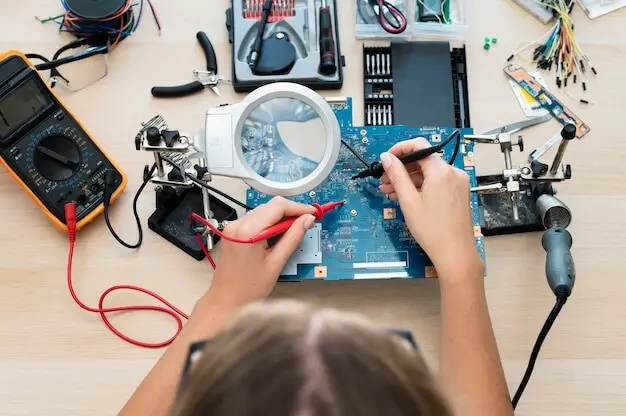
Getting Started with Clubs, Lessons, and Maker Moments
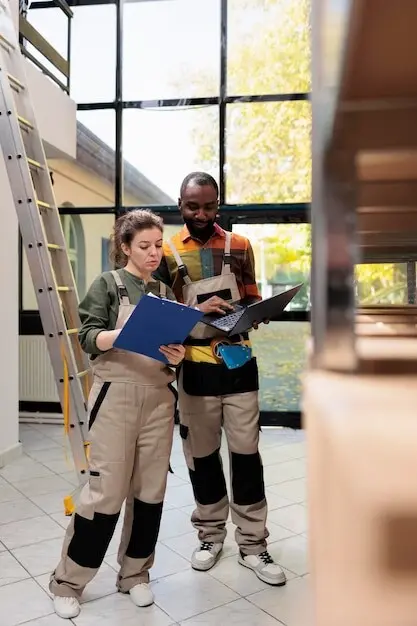
Tools, Materials, and Safety Made Simple
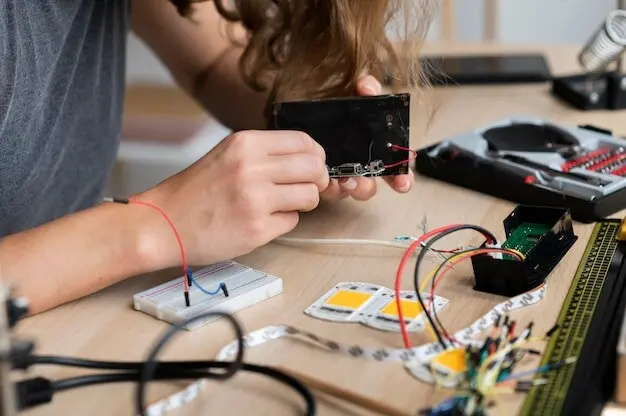
Primary Sparks: KS1–KS2
Secondary Momentum: KS3–KS4
Community Power: Families, Repair Cafés, and Local Businesses
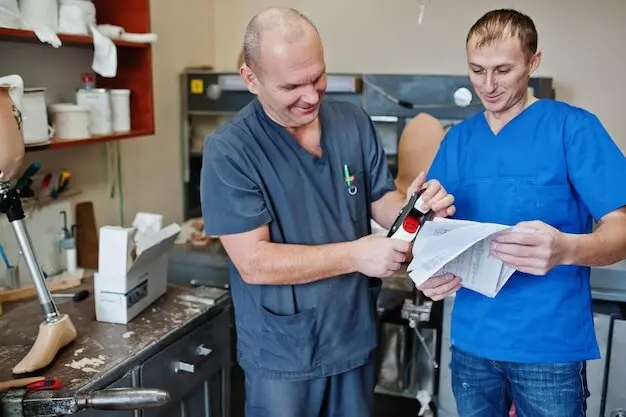
Hosting an Intergenerational Fix-It Evening

Sourcing Spares and Donated Items
Inclusion, Accessibility, and Wellbeing
01
Designing for Every Learner
Offer multi-sensory instructions—icons, photos, captions, and short videos. Provide left- and right-handed tools, magnetic trays, and contrasting mats for visibility. Break tasks into micro-steps with checkpoints. Pair complementary strengths and rotate roles to avoid pigeonholing. Invite student voice in tool selection and layout. Introduce optional assistive tech, like talking timers or screen magnifiers for manuals. Feedback should be kind, specific, and actionable. Equity grows when access is intentional, not accidental, and pride is shared, not hoarded.
02
Language, Culture, and Pride of Place
Gather local repair tales—bike rescues on seaside promenades, umbrella mends after windy moors, or family sewing circles reviving school uniforms. Showcase regional vocab and dialect warmly in captions and posters. Translate core instructions where useful and maintain a picture-first approach. Invite community languages in celebration banners. Map local repair legends and small businesses. Pride of place turns projects into belonging, reminding learners they stand within a living tradition of ingenuity that stretches across postcodes, generations, and workshop benches.
03
Measuring Wellbeing Gains
Track more than objects fixed. Use simple check-ins on mood, confidence, and connection before and after sessions. Capture reflections about patience, teamwork, and feeling useful. Spotlight stories where a small success brightened someone’s week. Share anonymized findings with families and leaders to support sustained provision. Encourage self-kindness when problems remain unsolved; learning still happened. Over time, data reveals that care and competence grow together, and that mending something tangible can gently mend worries too.
All Rights Reserved.